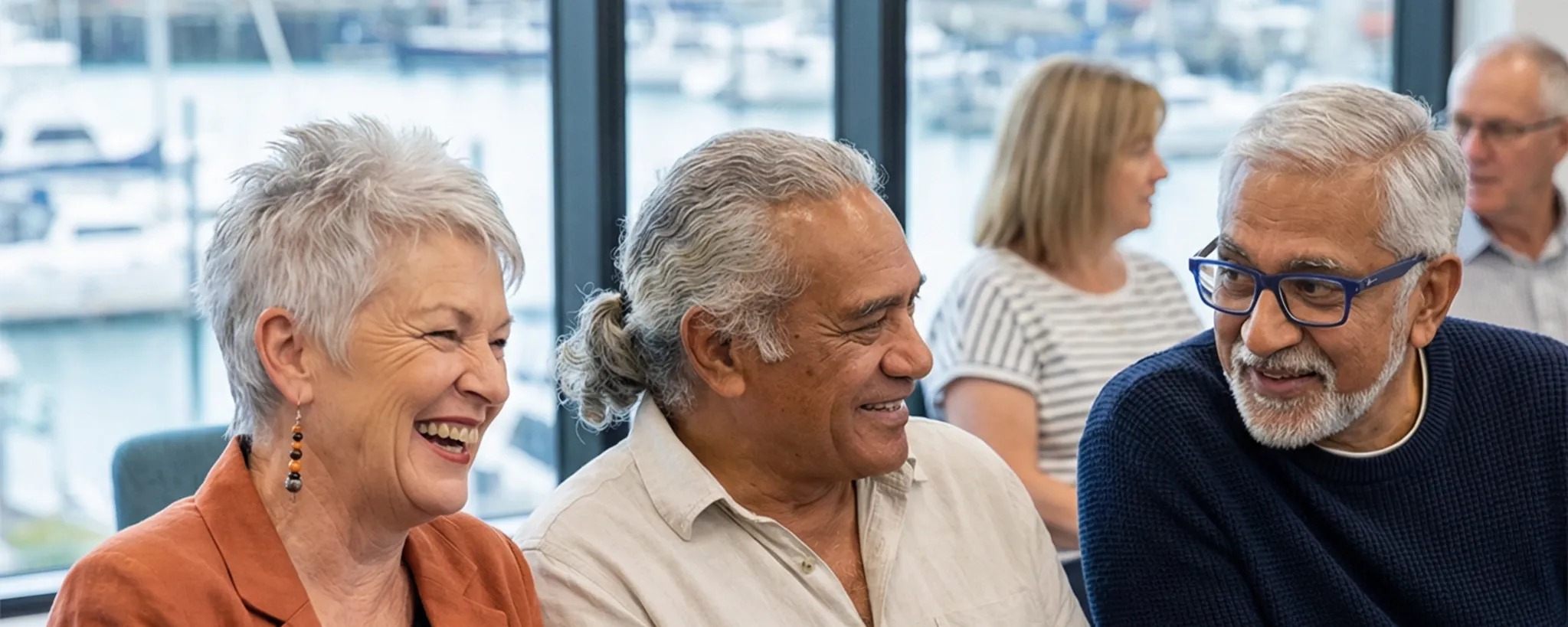

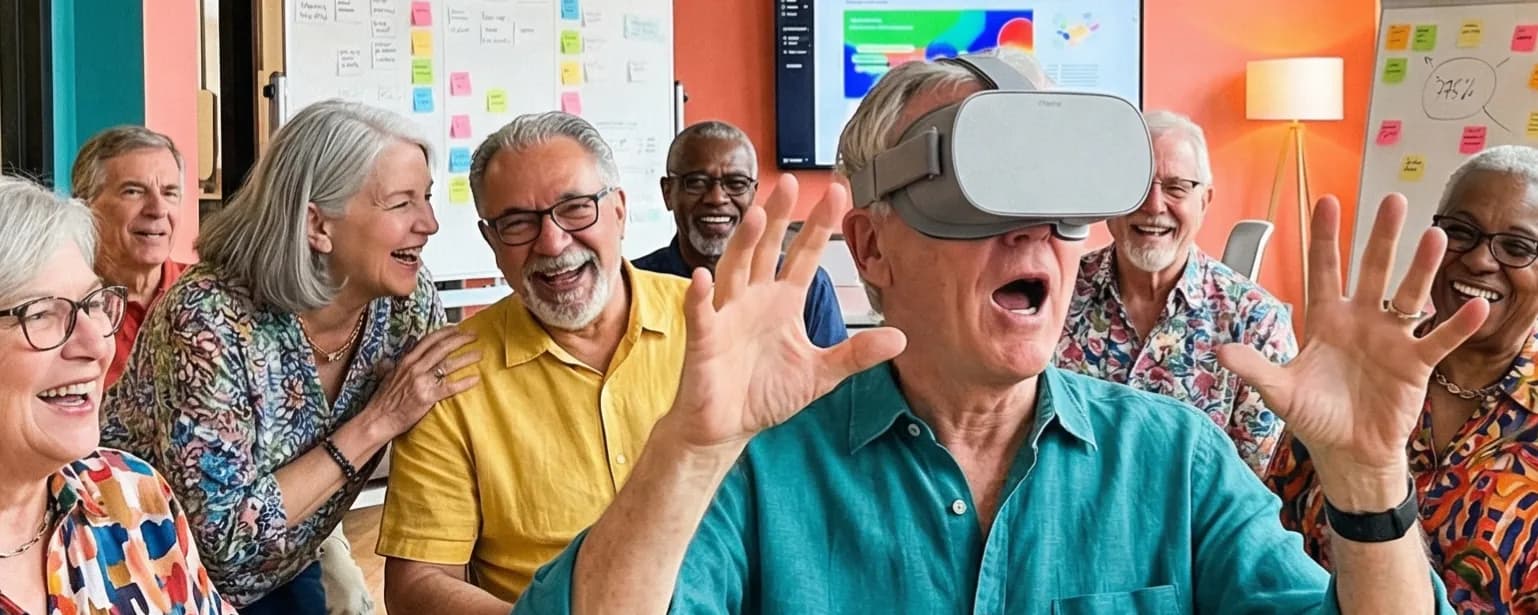
This 6-week course covers the current and emerging technologies that are changing the world around us. Expert speaker will cover topics as diverse as AI, robotics, virtual reality, cyber security, the digital economy and the internet of things. Sessions will be engaging and provide you with a deep understanding of the underpinning technologies shaping the way we live, work and play.
Suitable for all. Be ready to roll up your sleeves and see technology in an entirely new light.
Technological Impact will run for 6 weeks on the following:
Dates:
- Thursday 4th June
- Thursday 11th June
- Thursday 18th June
- Thursday 25th June
- Thursday 2nd July
- Thursday 9th July
Time & format: The course will start at 10am, with a coffee/tea break followed by a lively facilitated discussion to answer all your curious questions. The course will finish at 12pm each week.
Location: We are delighted to be hosting at Foodeast - Haumako, 4 Hanui Road, Tomoana, Hastings 4172.
About the experts
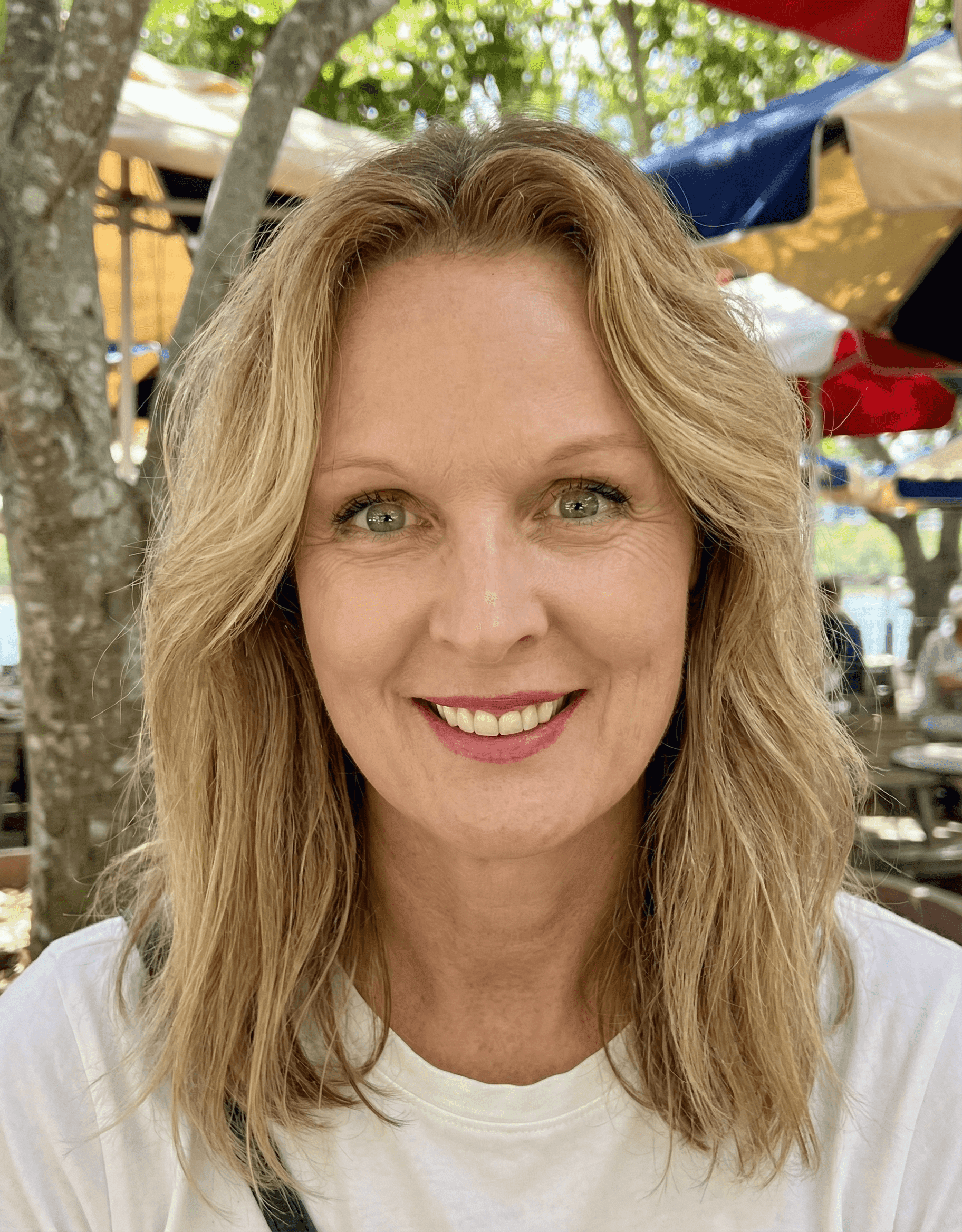
Frances Valintine CNZM
Frances Valintine CNZM is a leading technologist and educator focused on the technologies shaping the world and impacting how we live, work and connect. She has led and founded multiple institutes of higher education and is currently the Chair of academyEX Group, an Australian and New Zealand postgraduate institute focused on qualifications and programmes for working professionals. Frances is also on the Board of the University of Silicon Valley; she is a recipient of the Flying Kiwi Award and an inductee to the New Zealand Hitech Hall of Fame. She was also recognised by the CIO Awards for her lifetime contribution to technology. In 2014, her organisation, The Mind Lab, won the Best Start-Up in Asia-Pacific award, as judged by Sir Richard Branson and Steve Wozniak. She has a Master's degree from the University of Melbourne and is an alumnus of the Singularity University.
SESSION Abstract: How did we get here? Our world has been shaped by technology and digitalisation. In just three short decades, we moved from being slow adopters of the Internet to supercharged adopters of artificial intelligence. The speed of adoption and change has moved at a dizzying pace, and it is hard to imagine what the world will look like in 2030. Frances will decipher the world of technological disruption and paint a path of the journey ahead, as AI, Quantum Computing, Robotics and Data change the building blocks of the future.
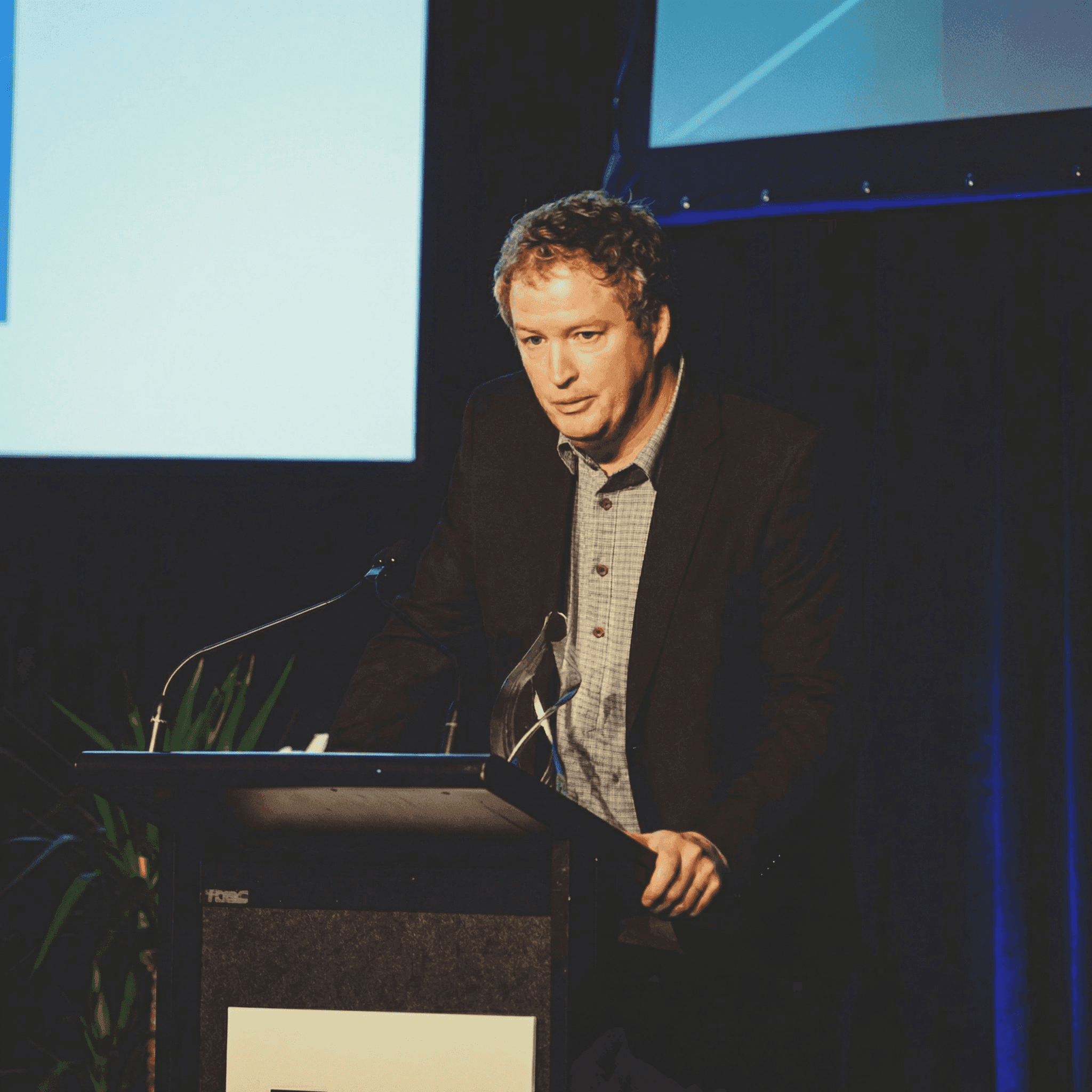
Callum Ross
With a wealth of experience including 20+ years in horticulture, healthcare, engineering and hi-tech industries. Callum's dedication to Te Matau-a-Māui and his expertise in sustainable business practices have been pivotal in enhancing the growth and success of various prominent New Zealand and industry organisations. His unique perspective, fuelled by a deep understanding of business challenges and a passion for supporting the industry. Known for his ability to navigate complex business challenges, Callum applies a systems-thinking approach to innovation, leadership, and governance. His work spans new product development, organisational strategy, and building resilient operating models that support both commercial success and environmental outcomes. His versatility across both for-profit and not-for-profit sectors is reflected in his contributions to organisations and highly recognised brands, such as Fisher & Paykel Healthcare and FMCG companies. He now leads the development of advanced AI, sensor, and automation technologies, taking locally built innovation from Hawke’s Bay to key markets.
Session Abstract: Bridging the Gap: How Nature-First AI is Transforming Industry and Sustainability
In an era where technological advancement often comes at an environmental cost, how can we build smart solutions that are both highly effective and deeply sustainable? Callum Ross, Founder and CEO of RossAi, will share his journey from experimenting with timber in a Hawke's Bay garage to developing award-winning, globally competitive AI sensor technologies.
This presentation will explore the intersection of artificial intelligence, advanced manufacturing, and environmental responsibility. Callum will discuss how his team applies "Kiwi grit" to solve complex data and automation challenges without outsourcing, resulting in products like LabLess™ that provide real-time, in-situ environmental testing. Attendees will learn how nature-first design principles—such as using woodpulp-based biocomposites instead of plastics—are not just decorative, but essential for the future of scalable, sustainable technology. By examining real-world applications in agriculture and food production, Callum will demonstrate how businesses can reduce waste, lower carbon footprints, and make faster, more confident decisions through the power of AI.
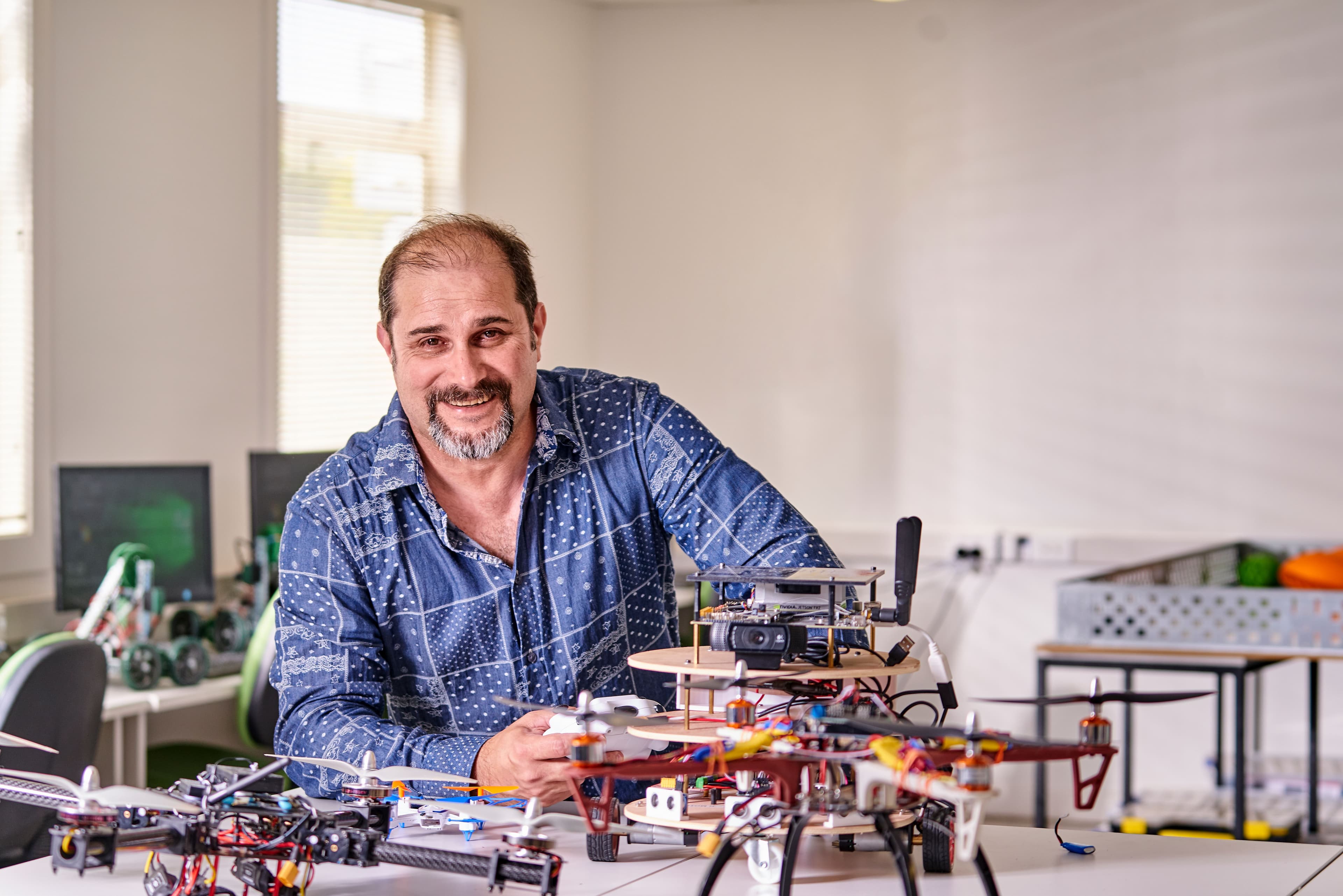
Istvan Lengyel
Istvan Lengyel is a Senior Lecturer in Computing and a researcher specialising in robotics and artificial intelligence. His work focuses on practical, real-world applications of AI across robotics, automation, and connected technologies.
He brings over 30 years of international industry experience, having held senior Information Systems management roles in the UK, US, and New Zealand across biotechnology, banking, government, and his own IT security consulting business.
Istvan holds a Master of Information Technology from the Eastern Institute of Technology (NZ) and a Postgraduate Diploma in Science from the University of Waikato. He is currently completing his PhD in Robotics and AI at OTH Regensburg, Germany.
An internationally recognised educator, he was New Zealand’s first instructor for NVIDIA’s Deep Learning Institute. Bridging industry and academia, Istvan is passionate about innovation, aiming to make complex technologies—including modern robotics platforms and intelligent sensing systems—accessible and relevant to everyday life.
SESSION Abstract: Robotics, Artificial Intelligence, and the Internet of Things: Converging Technologies Shaping Our Lives
Robotics, Artificial Intelligence, and the Internet of Things might sound futuristic, but they’ve actually been developing for decades—and are already part of everyday life.
Robotics dates back to the 1930s and has evolved from simple machines into tools that can assist in homes and healthcare. Artificial Intelligence began in the 1950s and is now behind things like voice assistants and smart online services. The Internet of Things has its roots in the 1980s, with the term introduced in 1999 to describe everyday devices—like watches, sensors, and appliances—that can connect and share information.
What’s different today is that these technologies are working together. Devices collect information, AI makes sense of it, and systems can respond in helpful ways.
In practical terms, this means things like health monitors that track your wellbeing, reminders for medication, or smart home features that improve safety and independence.
In this session, we’ll explore where these technologies came from and, more importantly, how they can support you in everyday life. No technical background is needed—just an interest in how technology can make life easier, safer, and more connected.
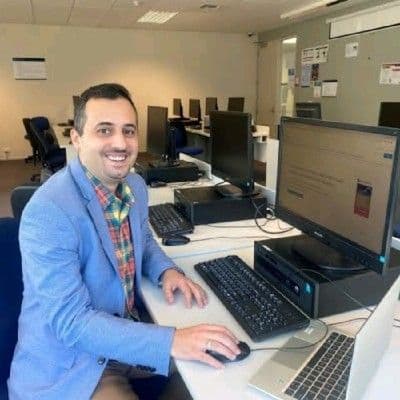
Dr Noor Alani
As Programme Leader at Eastern Institute of Technology, I provide academic leadership across multiple programmes including BCS, CITE, CBAT, and the New Zealand Diploma in Information Systems. In this capacity, I collaborate with faculty and staff to enhance educational offerings and ensure the success of students in the Hawke's Bay and Tairāwhiti regions.
With a PhD in Computer Science from Auckland University of Technology, I am committed to advancing research and education in business and computing. My role as Research Co-chair supports the development of research across these disciplines, while my work as a Senior Lecturer focuses on delivering undergraduate and postgraduate courses. My dedication to student-centered learning and vocational education drives my efforts toward fostering innovation and excellence.
SESSION abstract: Matihiko Minds: AI is now part of many young people’s lives, but what makes it trustworthy, respectful, and safe? In this session, we explore how generative AI can be shaped to better support Indigenous rangatahi, not just through accuracy, but through culture, relationships, and human oversight. Using examples from the Matihiko Minds project, we will discuss why some AI responses may appear strong on the surface yet still fall short in cultural appropriateness. This is a chance to learn more about the promises and limits of AI and to consider how communities can help guide its future in more responsible and meaningful ways.
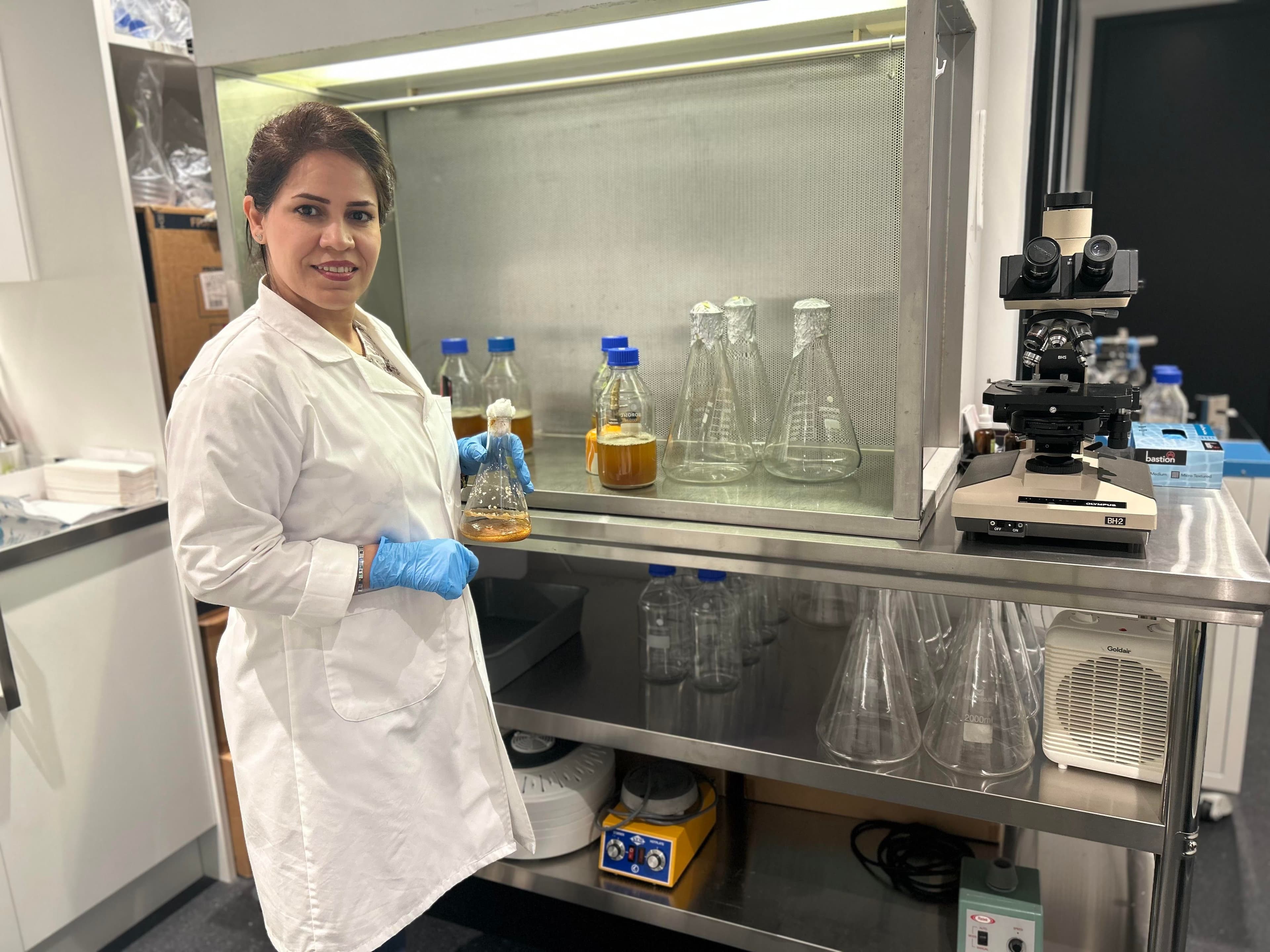
Maya Tangestani
A strategic science leader with expertise in biotechnology, and translational R&D. At Mara Bio, Maya leads the innovation strategy and technology roadmap, aligning scientific direction with commercial priorities and long-term growth objectives.
With around 20 years experience in the biotech sector, she has led multidisciplinary research programs across academia and industry in New Zealand, Europe, and the Middle East, translating microbial science into scalable, market-ready solutions across food, health, energy, and environmental sectors.
Her focus spans innovation management, science commercialization, cross-functional leadership, and building high-performing R&D teams that deliver sustainable impact and competitive advantage.
SESSION Abstract: Fermentation: An Old Wisdom for New Life:
Fermentation is something many of us grew up with—making bread rise, preserving food, or sharing homemade remedies.
By integrating the ancient art of fermentation with cutting‑edge biotechnology, scientists combine microbiology, chemistry, and engineering to harness the power of microbes for unlocking new levels of efficiency, sustainability, and innovation across food, medicine, and bio‑manufacturing. These advances are already shaping a growing portfolio of products, from functional foods and nutraceutical extracts to enzymes, vaccines, and bio‑based materials.
In this welcoming session, we’ll revisit this ancient practice and discover how it’s finding fresh purpose in today’s world.
I’ll share stories from my work at Mara Bio, where we work with natural fermentation to create new advanced products that support healthier living and a more balanced relationship with our environment. Together, we’ll explore how age‑old knowledge is still quietly helping us solve modern problems.
Afterwards, you’re invited into the lab to see fermentation come to life and meet some of the products we’re currently developing.

Rachel Clutterbuck
Rachel Clutterbuck is Chief Operating Officer at Co-intell AI, where she helps organisations navigate the practical realities of artificial intelligence. A people leader at heart, Rachel knows that technology only delivers real value when the humans using it feel empowered, not overwhelmed. She's passionate about finding that sweet spot where AI enhances what people do best, rather than replacing it. With a front-row seat to how AI is transforming the way we work, Rachel brings real-world insight and a clear, grounded approach to every conversation. She loves helping people move from curious to confident, and is excited to bring that energy to the Love Heart community.
SESSION Abstract: Hands-On with AI: Practical Tools You Can Use Today
AI isn't coming, it's already here. But for most people, it still feels out of reach, overhyped, or just plain confusing. In this practical, no-jargon session, Co-intell AI's COO Rachel Clutterbuck cuts through the noise to show you what AI tools can actually do for you, right now, in your everyday life and work.
This isn't a lecture, you'll get your hands on AI tools during the session and leave having already used them. Whether you're completely new to AI or just want to use it with more confidence, this session will give you the clarity, skills, and honest perspective you need to get started.
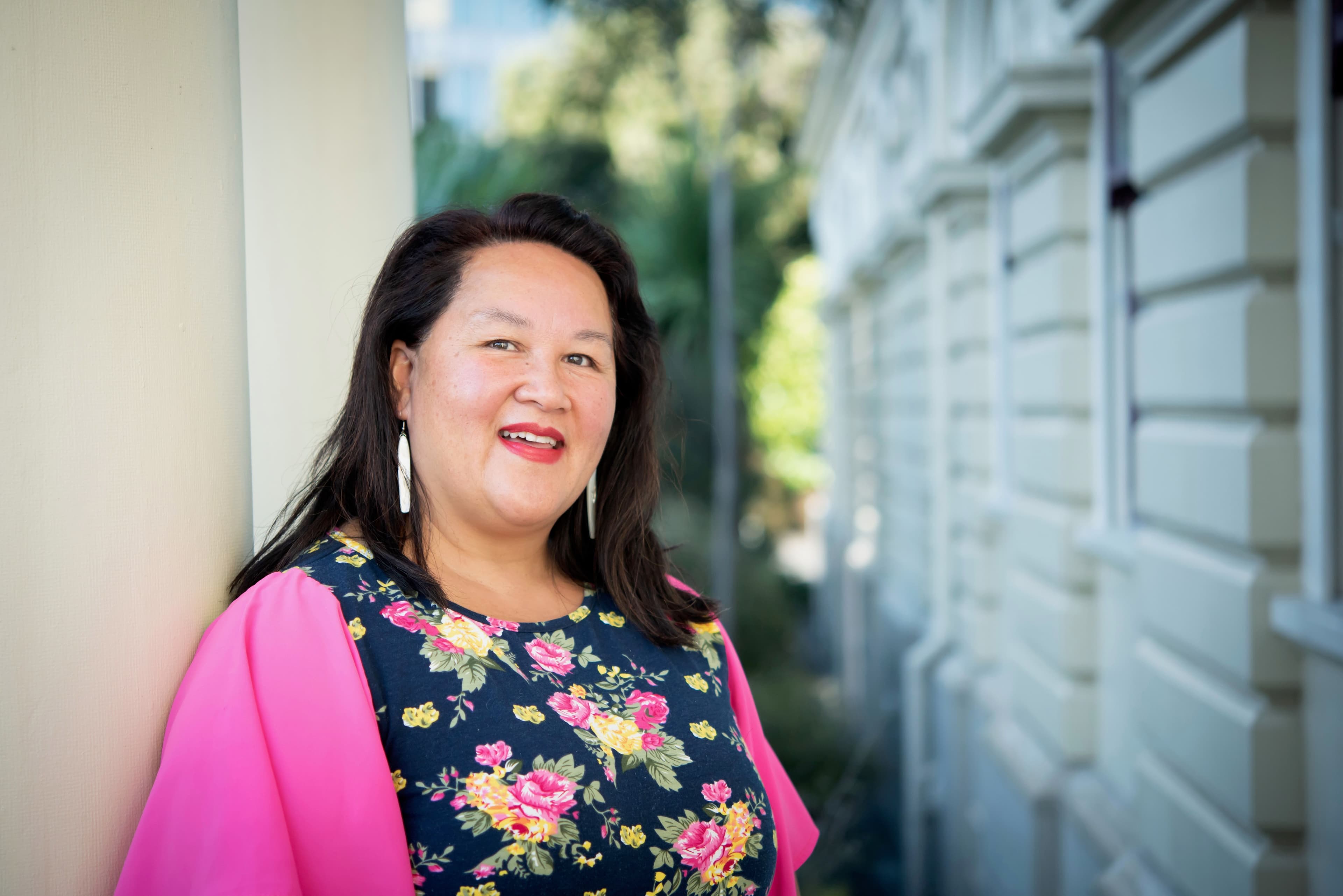
Christina Tay - Learning Facilitator
Christina is a lifelong learner with a profound passion for exploring diverse cultures and disciplines. Her curiosity has inspired extensive global travel, from teaching English to Buddhist monks in Laos and volunteering at a Thai orphanage to visiting museums across Europe, the UK, and Asia. A highlight of her travels is the Bishop Museum in Hawai'i, which she visits frequently, including during the 2014 World Indigenous Peoples' Conference on Education.
Her academic journey began with law and politics at Waikato University, where she discovered dispute resolution. She subsequently earned a Master’s in Mediation and Conflict Resolution from Strathclyde University, UK. This period included an exchange at the East China University of Political Science and Law in Shanghai and research in Hong Kong on the ombudsman's role.
Currently a Learning Facilitator for Love Heart Social Learning, Christina also teaches the Restorative Practices microcredential at Victoria University. A fully accredited restorative justice facilitator and assessor, she recently delivered mediation training in Micronesia. Previously, she served as Director of Employee Assistance Resolution Services at Victoria University.
Outside of work, Christina enjoys connecting with loved ones and attending international events, such as the 2025 Restorative Practices conference in Singapore, to continually expand her expertise.
Other learning activities you may be interested in
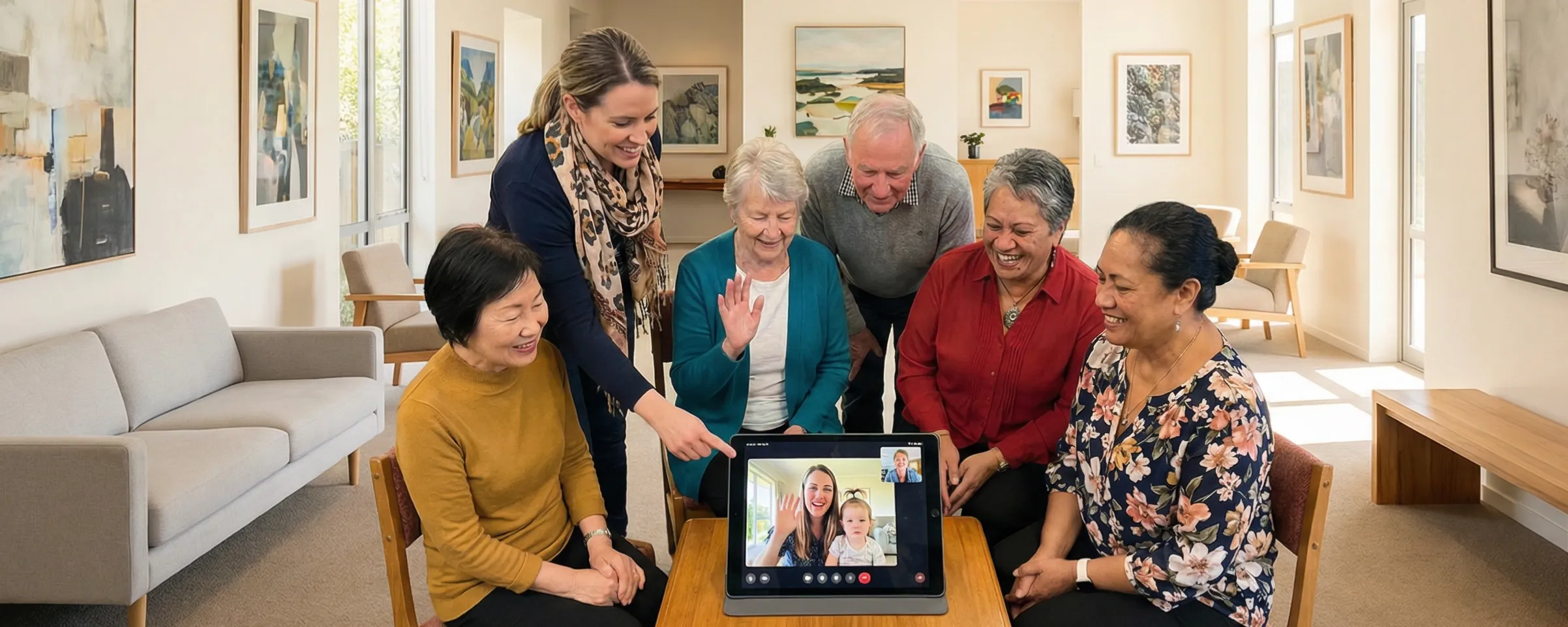
Technological Impact - Workshop (Evolution of the Internet and Digitisation)
Technological Impact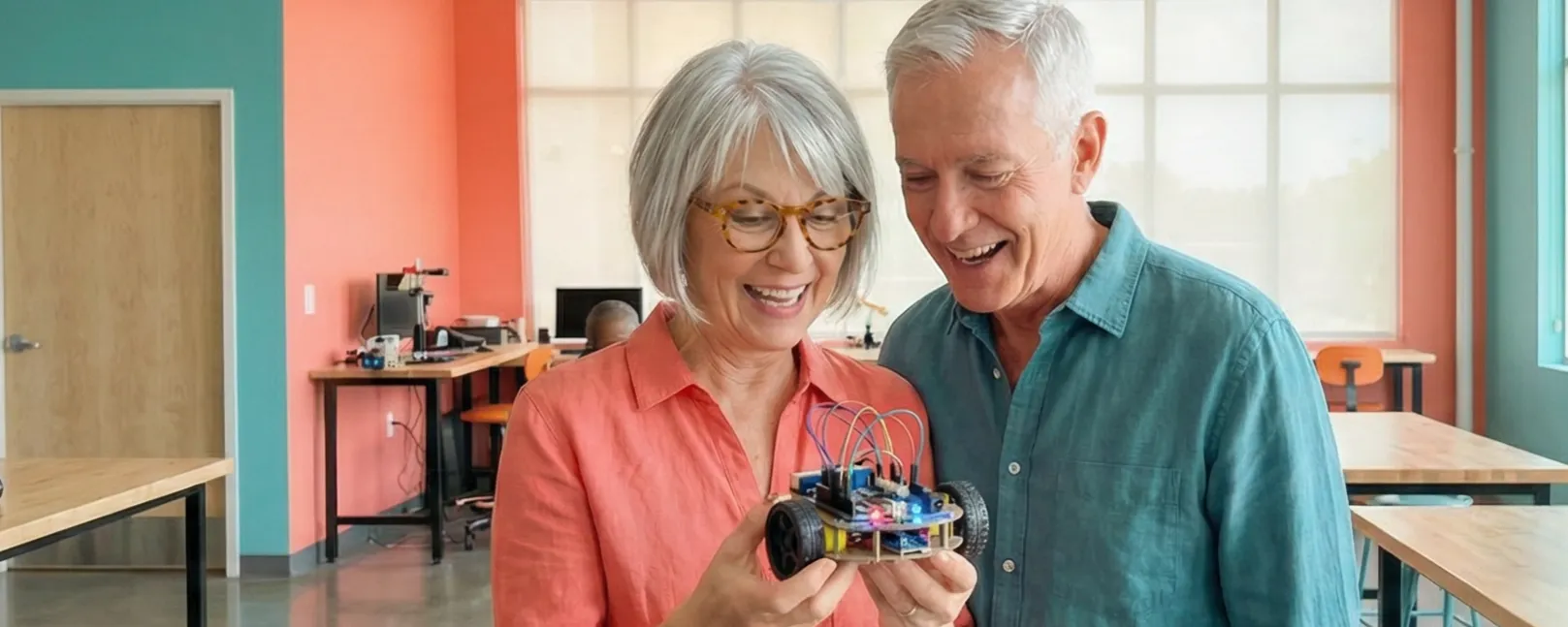
Robotics, Internet of Things and Artificial Intelligence Workshop
Technological Impact POPULAR
History 6-week course
History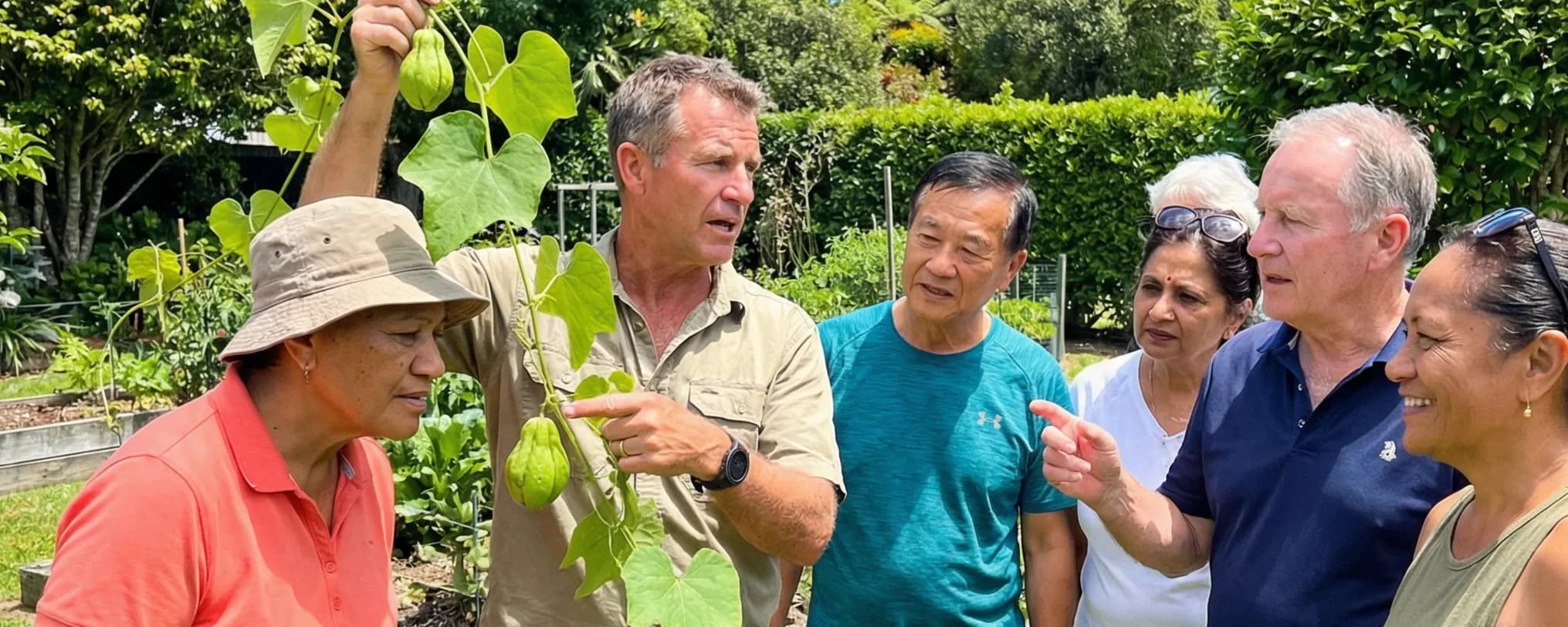 POPULAR
Flora and Fauna 6-week course
Flora and Fauna
Flora and Fauna Workshop (Native Plants & Threats)
Flora and Fauna POPULAR
Flora and Fauna Workshop (The Sage Journal: Emma Sage's journey)
Flora and Fauna
Technological Impact - Workshop (Fermentation: An Old Wisdom for New Life)
Technological Impact
Flora and Fauna Workshop (Introduction to Permaculture)
Flora and Fauna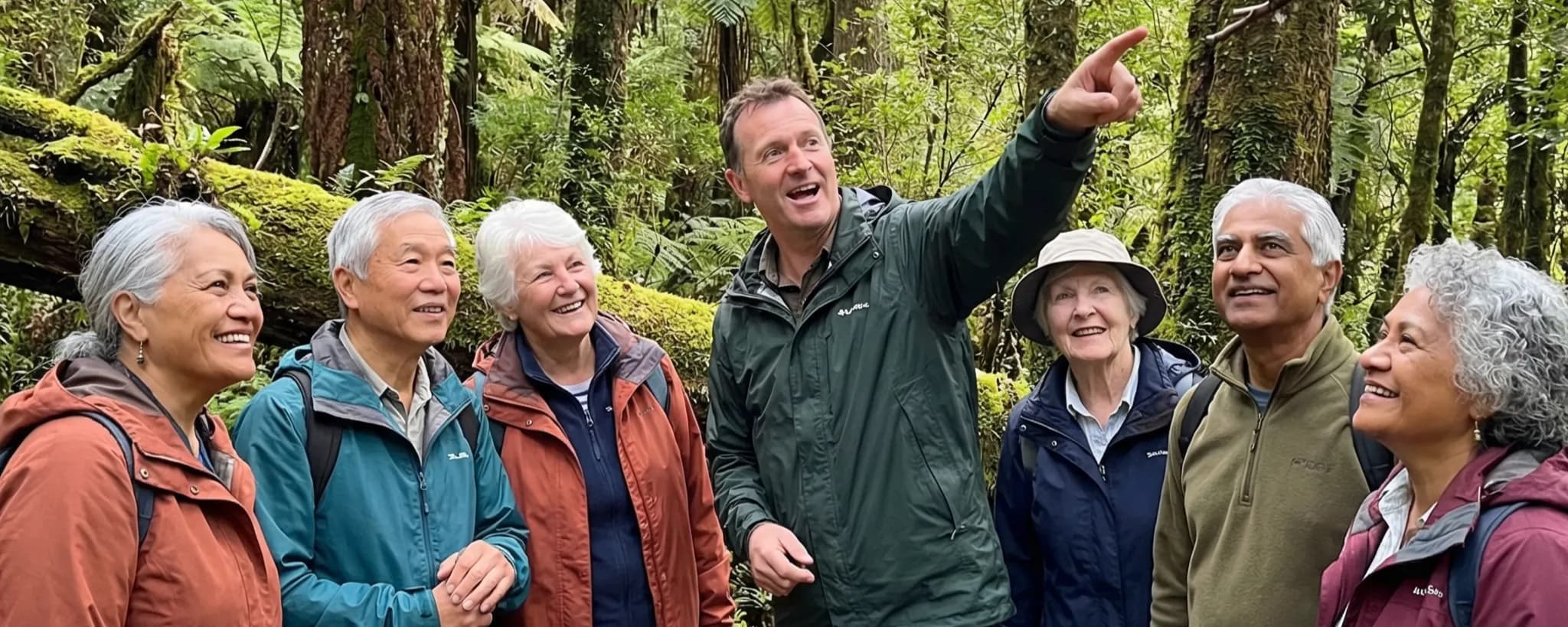
Flora and Fauna Workshop (Native Restoration in Wetlands)
Flora and Fauna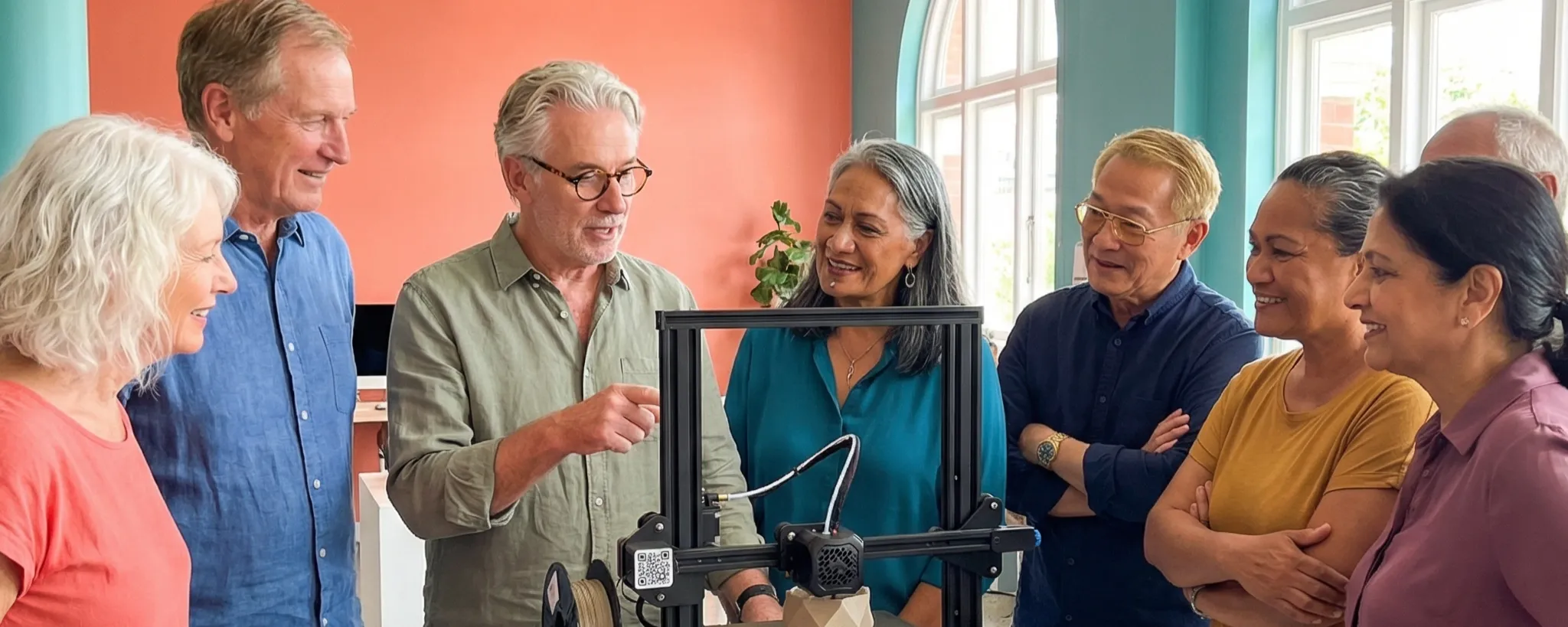
Technological Impact - Workshop (Hands on with AI tools)
Technological Impact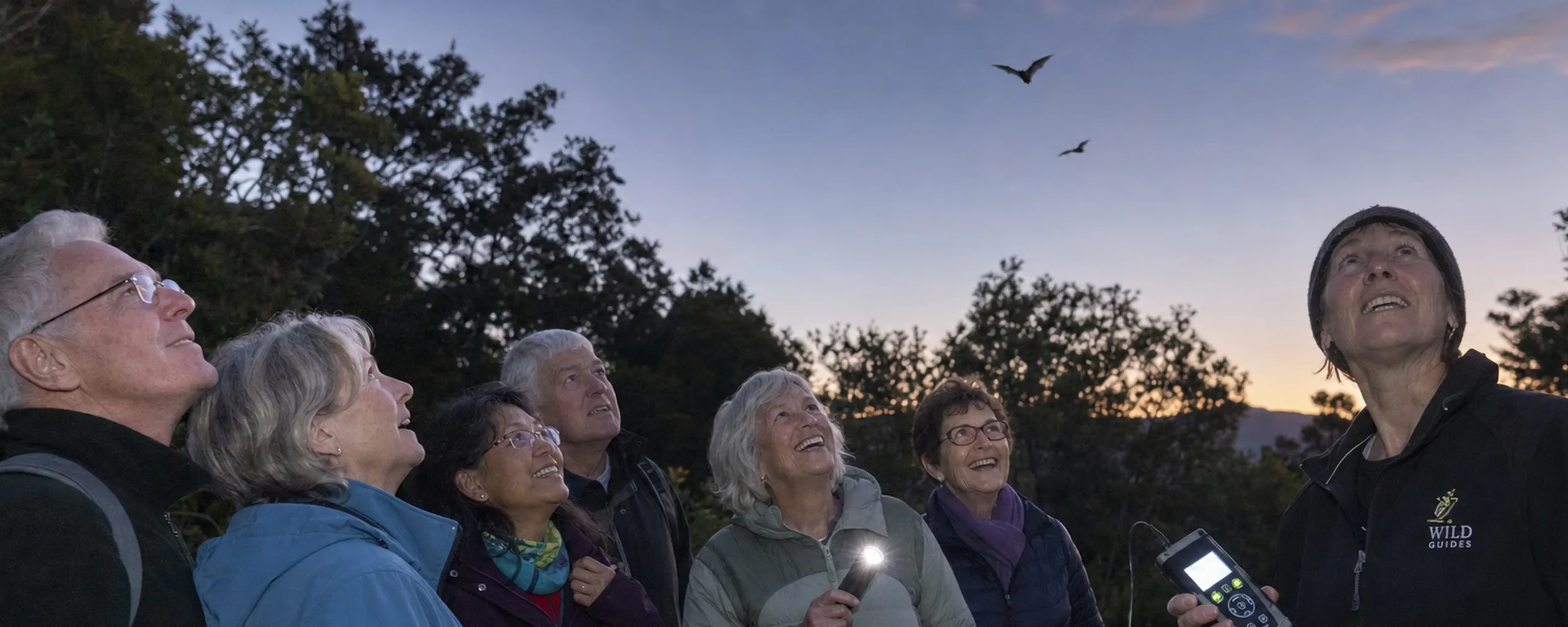
Flora and Fauna Workshop (Longtailed bats)
Flora and Fauna